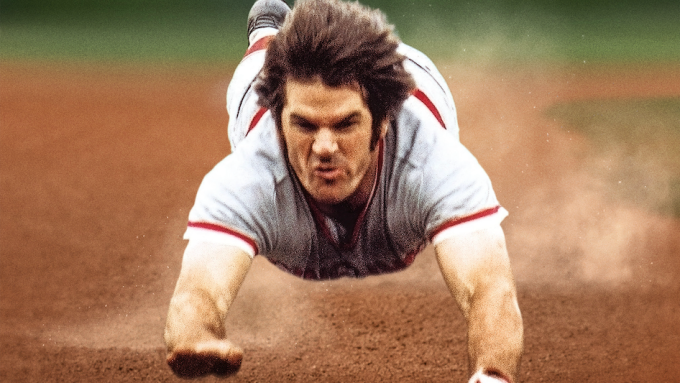
There are only two things in life that are certain—death and taxes. If your name happens to be Pete Rose, then getting into the Baseball Hall of Fame during your lifetime should be too. To preface this article, I have and will continue to believe that Rose, nicknamed “Charlie Hustle,” deserves to be in the Hall of Fame, in spite of his off-the-field actions. In the modern landscape, it starts to make even less sense why Rose was banned, seeing as the league has partnered with online betting agencies like FanDuel, DraftKings, and BetMGM. Additionally, international superstar Shohei Ohtani was involved in a gambling incident of his own, which was quickly dismissed, and his right-hand man took the blame. While it is possible Ohtani was not involved, the league has been known to turn a blind eye to bad behavior if they are benefiting.
Permanent is defined as “lasting forever,” but Major League Baseball (MLB) Commissioner Rob Manfred has come up with a new meaning for this term regarding ineligibility. He decided that after the player’s death, they will be removed from the permanently ineligible list, meaning they can be considered for induction. Rose has gone on record saying that he believes he will get his plaque in Cooperstown after he dies. Prior to this ruling, ineligible players went to their grave believing they were a disgrace to the sport that shaped them. They will never know the satisfaction of entering sports’ most prestigious hall. It is difficult to understand why the MLB believes they are some sort of moral authority. They refused to let Rose in despite his confessions, numerous attempts for reinstatement, and continued support for the game. However, the second he dies, they are willing to reap the profit he will bring in. The MLB can’t have it both ways—either let them in or keep them out. To deny Rose his entire life and give him a chance directly after his death is worse than any wrongdoing he was convicted of.
Admittedly, Pete Rose was not a goody-goody; the line he walked was not straight. For fifteen years, he denied betting on baseball. Then came his autobiography, My Prison Without Bars, where he finally came clean. His argument is this: I bet on my team to win. To this day there is not a shred of evidence that he bet against his team. While it is true that what Rose did was wrong, it’s also misleading to claim his actions altered the outcome of a season. During his time as manager from 1984 to 1989, the Reds never made the playoffs.
If Rose’s number of all-star appearances was someone’s age, they would be a licensed driver. He played five positions, won three championships, and recieved two Gold Glove awards, a Silver Slugger, and an MVP. These awards don’t even make up half of his total achievements, the most curious of which is his Roberto Clemente award, which is given to a player who exhibits extraordinary character both on and off the field.
What happens in Vegas doesn’t always stay there, but it also doesn’t mean people are incapable of change. Pete Rose is a liar, a big red machine, and the greatest hitter to ever grace the field.