
It’s forty degrees Fahrenheit, raining, and muddy. In other words, the perfect weather to catch hypothermia. But this unfortunate combination also lends itself to a more useful goal: habitat restoration. The soft soil left behind by the rain is easy to dig, making it optimal for planting seedlings. Armed with shovels, clippers, and willpower, a group of college students and eager volunteers hope to do just that. But before the planting and cultivation of native wildlife can begin, entire sections of the forest must be cleared of a threat almost invisible to the average passerby. Privet.
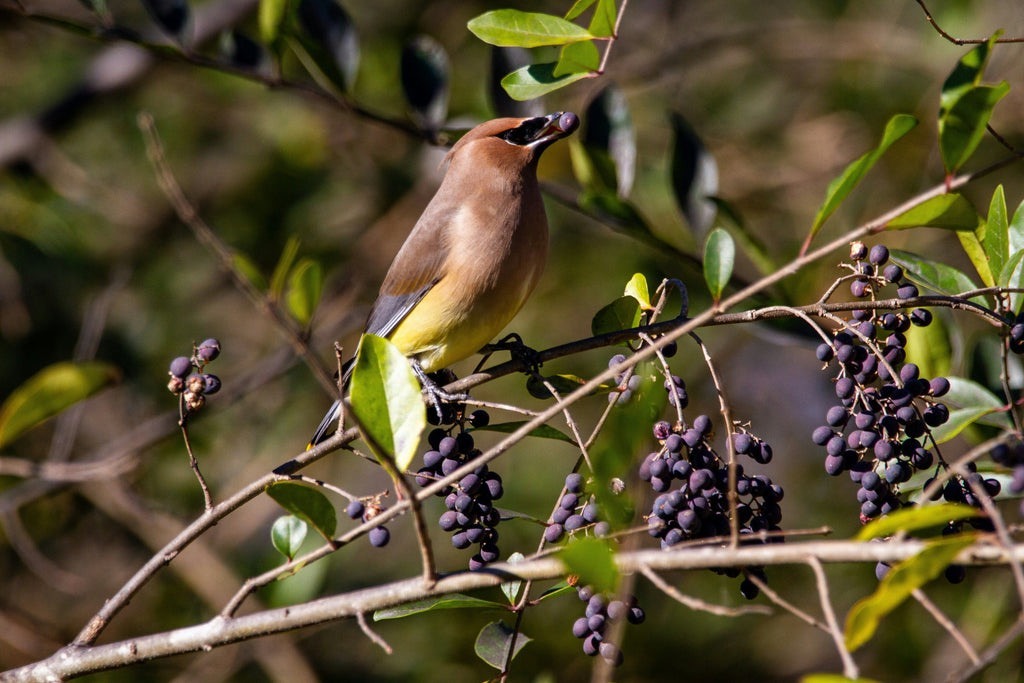
On the surface, this plant looks harmless. It’s a relatively tall shrub with dark purple, almost black berries and opposite-facing, oval-shaped leaves. Yet, the havoc it is able to wreak on floodplain ecosystems is immense. Originally from Eurasia, privet has no natural competitors in the North American environment. Combined with its rapid asexual reproduction and its tendency to grow in thickets, it makes it easy for this plant to overtake entire wetlands.
For birds, this drastic change in their environment is detrimental. With the loss of the shrubs they usually rely on to nest, birds such as catbirds opt for the next best bet, privet. Unfortunately, its tightly packed stems make it easy for predators to climb up to these birds’ nests and steal their eggs. With breeding season having come to a close and any bird unfortunate enough to have nested in the privet having moved on, it’s the best time to remove the privet.
Unfortunately, that’s much easier said than done. Jody Enck, the leader of the restoration operation and member of the Cayuga Bird Club, guides volunteers through the process of removing privet. They must cut the roots and remove as much of the plants as possible from the ground before placing them in heaping piles of discards. Even when the largest of the plants have been removed, the sprouts they leave behind must also be pulled out of the ground to prevent the plants from regrowing.
When the ground is finally cleared. The planting can begin. A healthy forest consists of multiple layers of greenery, but the privet has prevented sunlight from reaching the plants that might usually occupy that role, leaving only the very upper layer of towering cottonwoods. It is up to the volunteers to plant a new layer. With combinations of native plants, winterberry, oaks, maples, and countless other shrubs, trees, and bushes, they begin seeding the earth for a healthy future forest and hopefully, one that is full of flourishing avian life.
Invasives aren’t limited to privet, though; a myriad of plants, animals, and insects brought in by humans cause extensive damage to ecosystems worldwide every year. They threaten local wildlife and, in cases like that of the emerald ash borer beetle, have driven entire species to the brink of localized extinction. Working to fight this damage by removing invasives and educating the public helps to sustain and restore crucial ecosystems for generations to come.
Be First to Comment