
During the school year, I, like many high school students, depend on caffeine to keep me awake during long nights of studying. I used to spend these late nights sipping on coffee, craving the subtly acidic and bitter flavor. But, last year, I made the switch to matcha, and here’s why you should too.
Coffee always gave me the jitters, and never made me feel truly awake for long periods of time. Sometimes, coffee would even make me more tired. Coffee causes crashes because it releases caffeine in a spike. After drinking coffee, your adrenaline spikes, but it quickly fades. Additionally, coffee impacts blood glucose and insulin levels, causing some people to feel shaky after drinking it. Matcha, on the other hand, doesn’t cause these dramatic caffeine highs and lows. Instead, matcha releases caffeine slowly, due to the presence of an amino acid, L-theanine, which reduces the rate of caffeine absorption in the body. This slow release results in a long surge of energy, allowing you to feel alert for longer periods of time than after drinking coffee. A 2017 study even showed that matcha consumption improves attention, reaction time, and memory. This means you’ll be able to focus better and work more efficiently on your homework after drinking a cup of matcha.
Matcha is also more impressive than coffee in terms of nutrients present. Matcha is rich in catechins, a class of polyphenol antioxidants. Catechins have been shown to reduce blood pressure and low-density lipoprotein (LDL, or “bad cholesterol”) levels in mice. These antioxidants may potentially have anti-inflammatory effects and improve insulin sensitivity. Because of this, it is possible that matcha intake could prevent cell damage and decrease your risk of chronic disease. However, take this information with a grain of salt, as current research has been limited to examining the impacts of these compounds in animals.
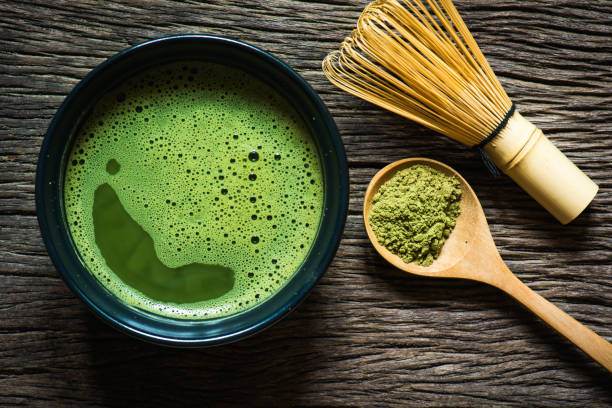
Aside from all of the health benefits of matcha, the drink itself is really easy to make, which is perfect for when you need a boost of energy during the school year. While it might not be as easy as using a Keurig or coffee machine, it is still a relatively easy and straightforward process, requiring a very minimal number of steps and ingredients. All you really need to make a cup of matcha is matcha powder and hot water.
Matcha is also incredibly easy to customize. You can use your favorite syrups, cold foams, and toppings to create your dream matcha latte, meaning there’s no way you won’t love matcha! Matcha also isn’t just limited to being in latte form; you can make matcha lemonade, matcha soda, matcha plus coconut water, or any other creative concoction!
I hope you give matcha a try this school year, and let me know if you like it! Who knows, maybe you’ll even become a matcha addict like me.