
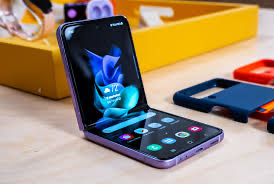
In 2013, the first prototypes of the foldable smartphone were introduced to the public, and in 2019, they started to become available in stores. This new technology was a way of mixing in the new, high performance touchscreens that everyone is used to, with the practicality of the old flip phones many grew up with.
The foldable aspect allows the phone to be incredibly compact, yet still gives you an overview of the most important features with a quick glance. Since the phone is divided into two segments, the phone can open two apps at once, making multitasking easier and more efficient. Another advantage is that it can stand up by itself, which comes in clutch so you don’t have to awkwardly prop your phone up against random objects, making it easier to take pictures and videos.
These futuristic features, however, also come with many downsides. As expected, these new flip phones are very expensive. They cost between 700 and 1,700 dollars, with most around the 1,200 mark.
Additionally, when the phone needs to be repaired it can be highly expensive since specialized tools are required. Much of the hardware is not the best quality due to the new shape and mechanics of the phone. The hinge can get stuck and stiff if stored in a very dusty environment or not oiled correctly, making it quite a high maintenance option.
The camera and battery life also did not seem to be priorities in the development of this phone. For example, the camera is small and has difficulty taking pictures in darker settings, making it a poor option for people who rely on their phone for photography. On top of this, users say that the battery depletes quickly throughout the day. These drawbacks are especially stark in comparison to Apple, the leading phone brand in the US. The iPhone can still be on the expensive side but ranges from 600 to 1,000, with most costing around 800 dollars. Apple products are also known for their great compatibility with many other devices and platforms which is something that brands that produce flip phones, including Samsung and Motorola, simply can’t compete with at the moment.
At the level that they are currently being produced, the new flip phones are not worth the drawbacks. However, I believe that as the technology evolves, it has the potential to overtake the current style of phone due to its compact practicality. At the moment, Samsung and Motorola are the only main brands that are selling foldable smartphones, so it will be interesting to see how other brands approach the new style in the future, and if maybe they can fix the quality and compatibility issues we are seeing with the current options.