
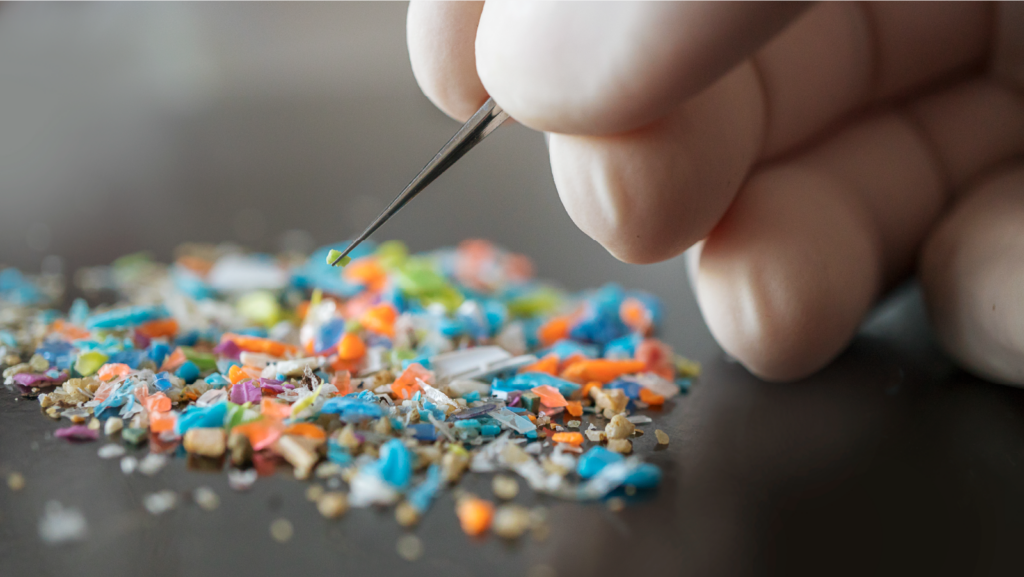
April, or “Earth Month,” is a good time to think about the habits we have that affect the planet, especially how much plastic we use every day. Plastic bottles, wrappers, and bags are convenient, but most of them are used minimally before they are thrown away. Plastics take hundreds to thousands of years to degrade, and most don’t biodegrade completely. Eventually they will break down into tiny particles called microplastics. These microplastics are significantly harder to remove from the environment than straws, bottles, or bags.
Microplastics are extremely small plastic particles that recently have been found in human blood and organs. A study published in the journal Environmental International showed that scientists found microplastics particles in almost eighty percent of the people they tested. Many studies have also reported the presence of microplastics in several foods, including salt, seafood, sugar, beer, bottled water, honey, milk, and tea. Scientists are still studying their long-term effects on human health, however it is generally not advised to be consuming these particles.
A study done by the American College of Cardiology found that microplastic concentration was positively correlated with high blood pressure, diabetes, and stroke, while cancer was not consistently linked with microplastic pollution. Additionally the results also suggested that higher concentrations of microplastics pollution are associated with a higher prevalence of disease. However, researchers emphasized that evidence of a correlation does not necessarily mean that microplastics are causing these health problems. Further research is needed to determine the amount of exposure or length of time it would take for microplastic exposure to have an impact on health, if a causal relationship exists.
Chemicals used in making plastics can easily move into the tissues of animals, where they quickly accumulate over time. These chemicals can then enter the human food chain when people consume those animals. Styrofoam is especially dangerous if it is eaten because it can harm animals’ lungs, nervous systems, and reproductive organs. Other chemicals found in plastics, such as bisphenol A, phthalates, and xenoestrogens, can disrupt hormone systems found in the body and may raise the risk of cancer and other health problems.
Microplastics are increasingly harming ecosystems and wildlife around the world. Many marine animals such as fish, shellfish, and seabirds ingest microplastics by accident because the particles resemble food. A study done by the American Association for the Advancement of Science found 1,565 species, both marine and terrestrial, are known to ingest plastic. This can lead to digestive blockages, malnutrition, and physical stress in animals. Plastic can block animals’ stomachs and intestines and cause them to starve. Fish and birds are commonly found with stomachs full of plastic, but even terrestrial animals like coyotes, mountain lions, and bears also digest plastic. Additionally microplastics can attract and carry environmental toxins and heavy metals. This can cause other health problems, as it increases an animals’ exposure to harmful chemicals.
Plastics are gradually harming the environment and possibly human health. They can have severe impacts on wildlife, ecosystems, and even enter the human food chain. One way to reduce plastic use is by choosing reusable items instead of disposable ones. For example, people can carry reusable water bottles, shopping bags, and food containers rather than using single-use plastic products. April and “Earth Month” serve as a reminder that protecting the environment starts with being more aware of the choices we make every day and how they can directly affect the environment. If more people start making small changes to reduce plastic use, those efforts can add up and help create a cleaner and healthier planet for the future.