
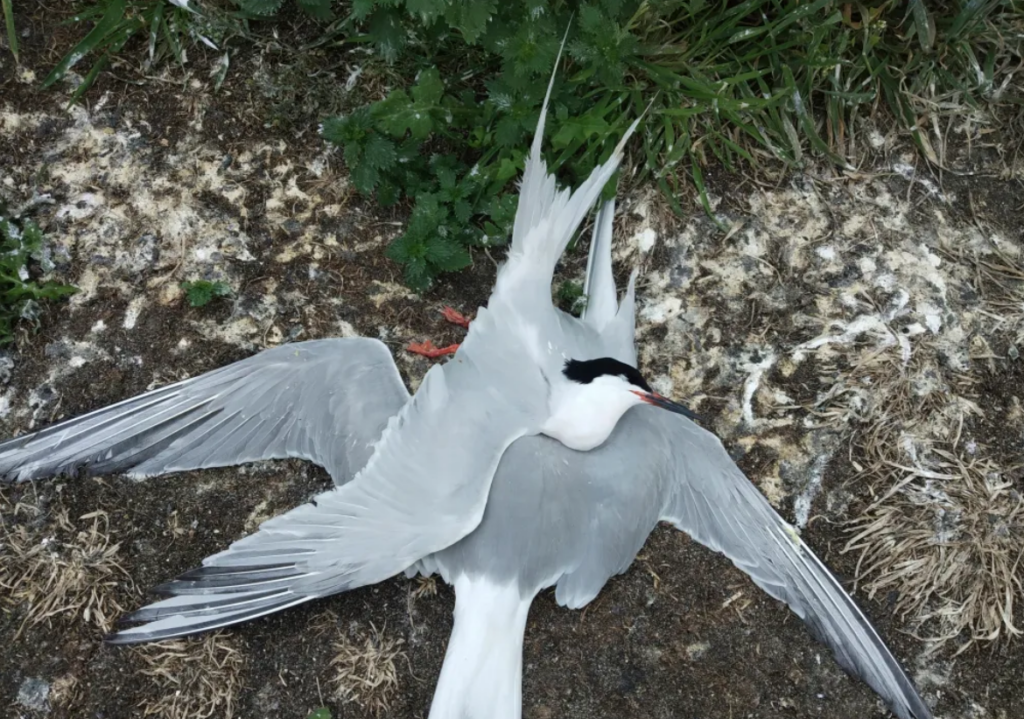
The damage that we as humans are doing to our natural environment is a big concern. Often this takes the form of overconsumption, pollution, or the release of greenhouse gases, but diseases that are created or spread through our agricultural practices may pose an even greater threat. The current news cycle is swamped with stories of international conflict and rising consumer prices. While these issues are undoubtedly important and deserve public attention, other concerns loom just out of the public eye. The highly pathogenic avian influenza is one of these forgotten horrors.
In 1996, a few domesticated geese on a poultry farm in southern China were infected with a new hybridized strain of pig and avian flu-viruses labeled H5N1, also known as highly pathogenic avian influenza. It remains one of the most deadly flu strains we have seen to date. In birds, the virus was a death sentence, and it quickly spread to humans, resulting in six deaths and over 1.5 million birds being culled to prevent further spread.
Despite best efforts at limiting the spread, the virus had returned in full force in the twenty-first century. Since its reappearance and after having spread from livestock to wild birds, it has reached every single continent by 2025. A study done when the virus first returned found that in a group of ten chickens infected with H5N1 all died within ten days. Later strains allowed some bird species, such as waterfowl, to spread the disease without succumbing themselves. This led to high mortality among more susceptible bird species, those who gather in large groups for breeding and mating allowing quick spread of the virus. These birds often migrated to reach their final destination, increasing infection rates. Perhaps the most devastating effects are felt by seabirds which are known to have long stretches of time between their hatching and reaching breeding maturity, meaning even the smallest dents in population could be catastrophic. The losses recorded are unprecedented and devastating. In one year, the great skuas of Northern Ireland lost over seventy percent of their population, gannet breeding rates decreased by fifty-four percent, and over 750 great white pelicans were found deceased in Senegal in 2021 as a result of the virus.
By now, it has moved from birds to mammals, such as cows, foxes, polar bears, and elephant seals, the latter of which lost ninety-seven percent of its pup population in Argentina in 2024 to the virus. Even humans who are hospitalized with the virus only have a fifty percent survival rate, although it currently does not spread from human to human.
The time for action is now! This virus not only devastates our bird populations, it also poses a risk for mutations that could allow spreading among humans. Vaccination is possible and has been successfully used to protect endangered condor populations. However, in the US, critical research on vaccination has been halted as a result of the Trump administration’s cuts to research budgets. Just as important are changes in agriculture where factory farming has created optimal breeding grounds for viruses to develop into deadly variations. Humans have contributed to the rise of this virus, and we must prevent it from spreading further through vaccination efforts, lower consumption of eggs, and a fundamental change in the way we farm poultry, not only to protect ourselves but to preserve our environment.