
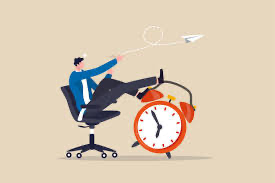
Have you ever found yourself intentionally putting off doing your homework or assignments because you didn’t have the motivation to complete them? Or, have you over-estimated the amount of time there was to do them, only to realize the due date was much too soon? You’ve probably also fallen into the trap of telling yourself, “I’ll just do it later,” only to be scrambling to get everything done in the end.
These are prime examples of procrastination: intentionally avoiding necessary tasks, work, or assignments, and leaving them to the last minute despite the negative consequences. Contrary to popular belief that procrastination is caused by laziness, researchers believe this is actually caused by a failure of self-regulation. Additionally, approximately eighty-six percent of students have been found to procrastinate regularly, proving just how easy it is to fall into the habit.
While it’s tempting to procrastinate, there are multiple consequences that come with this habit. As work piles up and deadlines creep closer and closer, the stress that comes with procrastination can seriously affect not only your mental health, but academic performance. A study done on 1,300 high school and college students found that eighty-seven percent of the students admitted that procrastination hinders their academic performance, with forty-five percent of the students reporting that it negatively affects their performance regularly. Furthermore, a separate study published in Frontiers in Psychology also found that “students who procrastinated more than others tended to obtain a lower average grade than others.” These are both prime examples of the severity regarding how procrastination negatively affects academic performance.
It’s important to note just how easy it is to succumb to the cycle of procrastination. Constant procrastination can result in a looping cycle of stress, burnout, and cramming that can be difficult to break out of. But, while the cycle of procrastination may feel never-ending, with discipline, initiative, and the right habits, it is avoidable. Though being aware that you are procrastinating is the first step to improving your habits, another way to avoid procrastination is to break down large projects down into smaller steps. This makes it easier to complete them effectively, without burning out. Another habit that may help reduce the urge to procrastinate is to be in a positive work environment. For example, avoid doing work in a more relaxed place such as your bed or sofa, and instead complete work at a desk or table. If you have trouble concentrating with other people around, avoid doing work with friends and find a space where you can study alone peacefully and productively.
In conclusion, procrastination is a bad habit and can negatively affect your performance at school and ultimately your overall well-being. Additionally, its seemingly never-ending cycle can cause an immense amount of unnecessary stress, fatigue, and limit individuals from performing at their truest potential. Take initiative, set a routine and disciplined habits, and do not allow yourself to succumb to the power of procrastination. Then, you will have more time to pursue the activities and passions that are truly meaningful to you.